The most basic way that a living person transfers title to real property is through the instrument called a deed. A deed is very different from a contract. In order to form a traditional enforceable contract, consideration is a requirement, but to transfer real property by deed, there doesn’t have to be a bargained-for exchange.
The Deed Is Not a Contract
You can gift somebody real property with a deed, there’s no consideration requirement. It’s best to not think of the deed as a contract, it’s better to separate the two ideas. The land sale contract at closing actually merges into the deed.
At closing, when the deed is delivered and ownership of real property transfers from the seller to the buyer, the contract merges into the deed and now the deed controls. All liability has to be based on the deed, not the land sale contract.
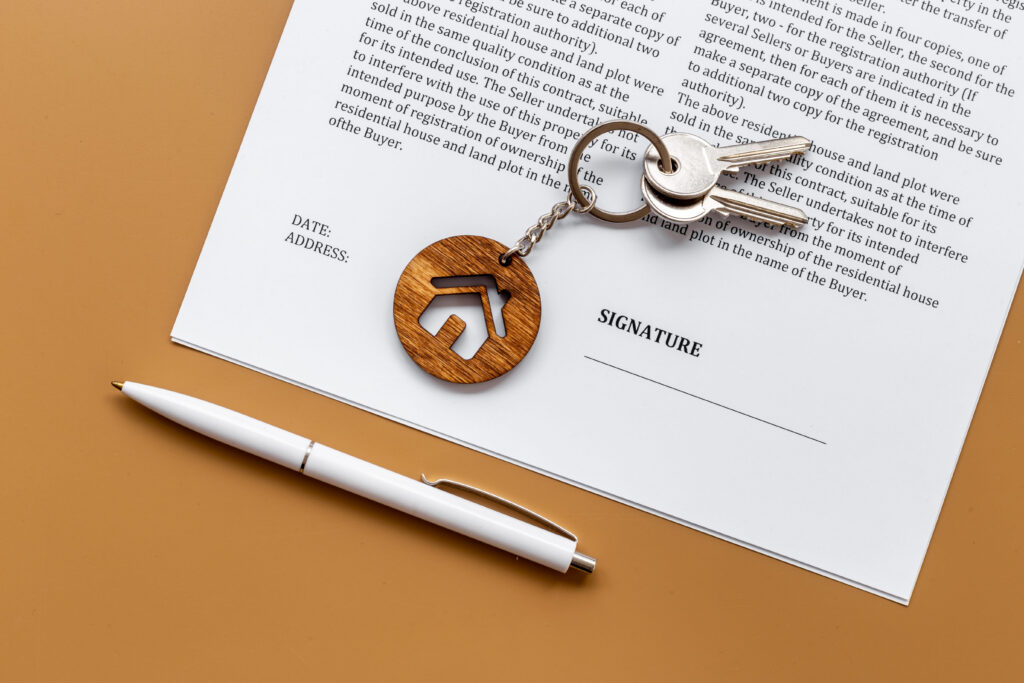
Quitclaim Deed vs Warranty Deed NJ
Requirements for a Valid Deed
To execute a deed to transfer an estate or other interest in land, the deed must be in writing, be signed by the grantor, identify the grantor and grantee, contain words of conveyance, describe the property, and be delivered and accepted. A deed must be in writing; a deed cannot be oral, and it’s got to be signed by the grantor. It must identify the grantor and grantee.
Words of conveyance have no strict requirements: grants, conveys, transfers, gives, any of these will do. A family member could give property to another family member by deed, since there’s no bargained-for exchange requirement like in contract law.
Three Types of Deeds
The prospective liability of the grantor depends on what type of deed is used: a general warranty deed, a special warranty deed, or a quitclaim deed. A general warranty deed provides the most title protection of the three to the grantee. A special warranty deed provides some title protection.
With a special warranty deed, the grantor warrants title against defects caused by the grantor. A quitclaim deed provides basically no title protection, the grantor makes no warranties as to the health of title.
Quitclaim Deeds and Family Transfers
If there are any defects with title during the contract phase, the buyer can sue the seller for breach of that marketability. But once the contract merges into a quitclaim deed, once the grantee has ownership after closing, if there turn out to be problems, defects with title, or encumbrances, the grantee is out of luck.
They have no form of recovery against title defects with a quitclaim deed, even though the land sale contract might have had covenants about marketability. That’s a huge risk for the purchaser to take a quitclaim deed, because if there are defects in the title, they’re going to have no recovery from the time of closing moving forward.
Warranty Deeds and Title Protection
If it’s a general warranty deed or special warranty deed, even after closing, there are implied covenants that provide title protection. General warranty deeds provide the most protection; the grantor warrants title against all defects. Special warranty deeds mean the grantor warrants title against defects caused by the grantor.
With a special warranty deed, the title defect has to be the fault based on an act or omission by the grantor. With a general warranty deed, it doesn’t matter; even if the grantor had nothing to do with whatever caused the title defect, the grantor warrants title against all defects, both present and future defects that could arise down the line.
Delivery and Acceptance
Delivery and acceptance are the hardest aspect of the deed analysis, usually the largest part of determining whether the deed was properly executed. Acceptance is generally presumed if it’s real property of value, and usually if a person does not want to accept, they have to actually disclaim the acceptance.
Words without actions can constitute delivery. What matters is whether the grantor has demonstrated present intent to transfer the property, looking at words and actions of the parties. Actions without words can also constitute delivery.
A classic example is executing a deed, driving to the grantee’s house, and handing them the deed with a statement of ownership transfer, which is clear delivery. If a check is handed over and the deed is handed back without express language, that constitutes delivery, inferred from the conduct of the parties.
What Happens at Closing
After closing, remember the land sale contract merges into the deed, and any liability must arise out of the deed, not the contract. The seller has a duty to deliver marketable title to the buyer during the contract stage. Once the deed is delivered and ownership is transferred, the contract merges into the deed.